
Korean Food Guide for Expat Teachers: What to Eat in South Korea
Planning to teach English in South Korea? Get ready to eat! One of the best parts of living in Korea is having the chance to experience Korean food beyond the dishes you may already know from restaurants back home.
From sizzling Korean BBQ and comforting bowls of bibimbap to late night street food and cozy soups, there is something for just about everyone. And for teachers living in Korea, discovering your favourite local foods can quickly become one of the most memorable parts of your experience abroad.
If you are preparing to teach in South Korea, here are some Korean dishes and foods you will want to add to your “must try” list!
1. Korean BBQ
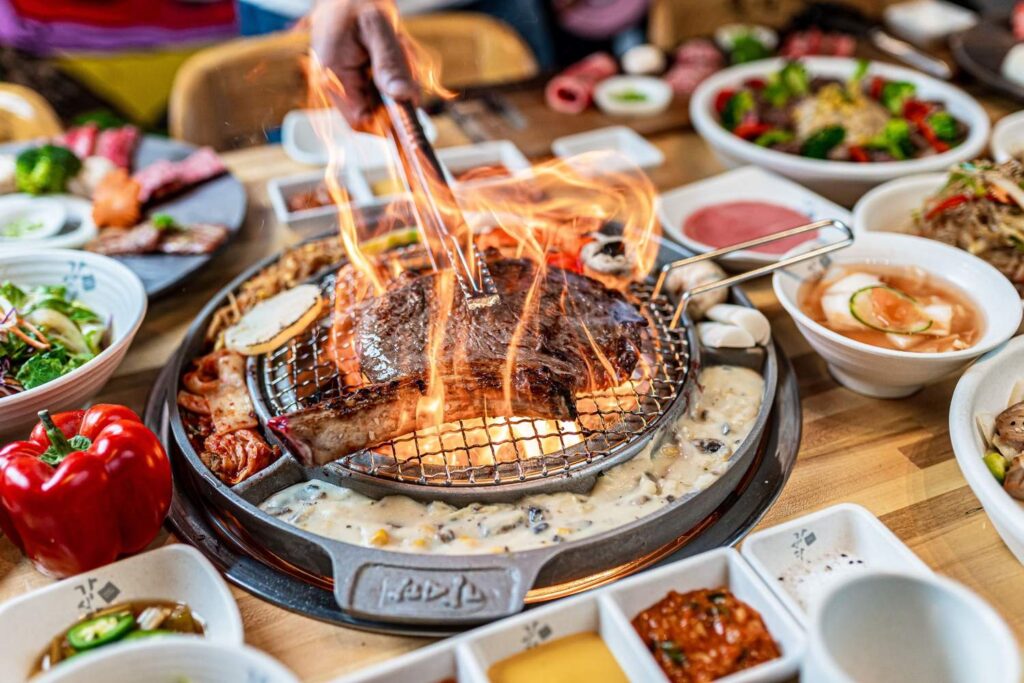
Korean BBQ is probably one of the first foods that comes to mind when you think about Korean cuisine, and for good reason!
At a Korean BBQ restaurant, you will typically order different types of meat that are cooked right at your table. Depending on the restaurant, you may have a grill built into the table or a portable grill placed in front of you.
The meat is usually served alongside a variety of side dishes called banchan, which can include kimchi, pickled vegetables, bean sprouts and other small dishes.
Korean BBQ is also a very social meal, making it a great choice when you are getting to know your coworkers or meeting other expat teachers.
2. Bibimbap
Looking for something colourful, filling and easy to customize?
Try bibimbap.
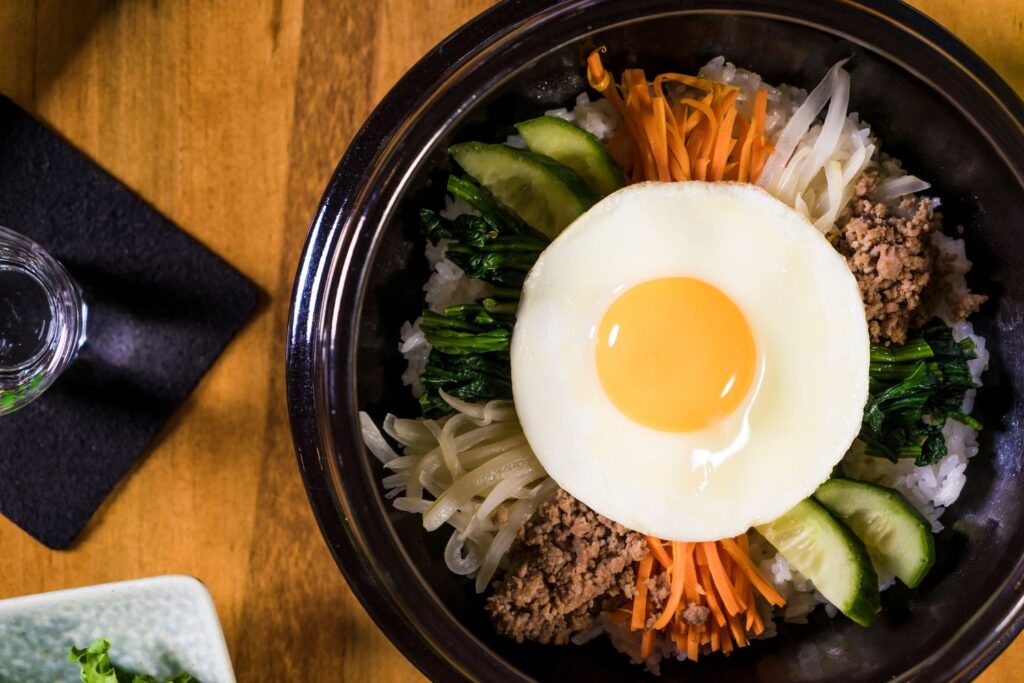
Bibimbap is a bowl of rice topped with vegetables, meat or another protein, a fried egg and usually gochujang, a Korean red pepper paste. Everything is mixed together before eating.
It is an easy introduction to Korean food because you can often choose different toppings and adjust how much sauce you add.
You will find bibimbap everywhere in South Korea, from small local restaurants to larger chains.
3. Tteokbokki
If you enjoy spicy food, tteokbokki should be near the top of your list.
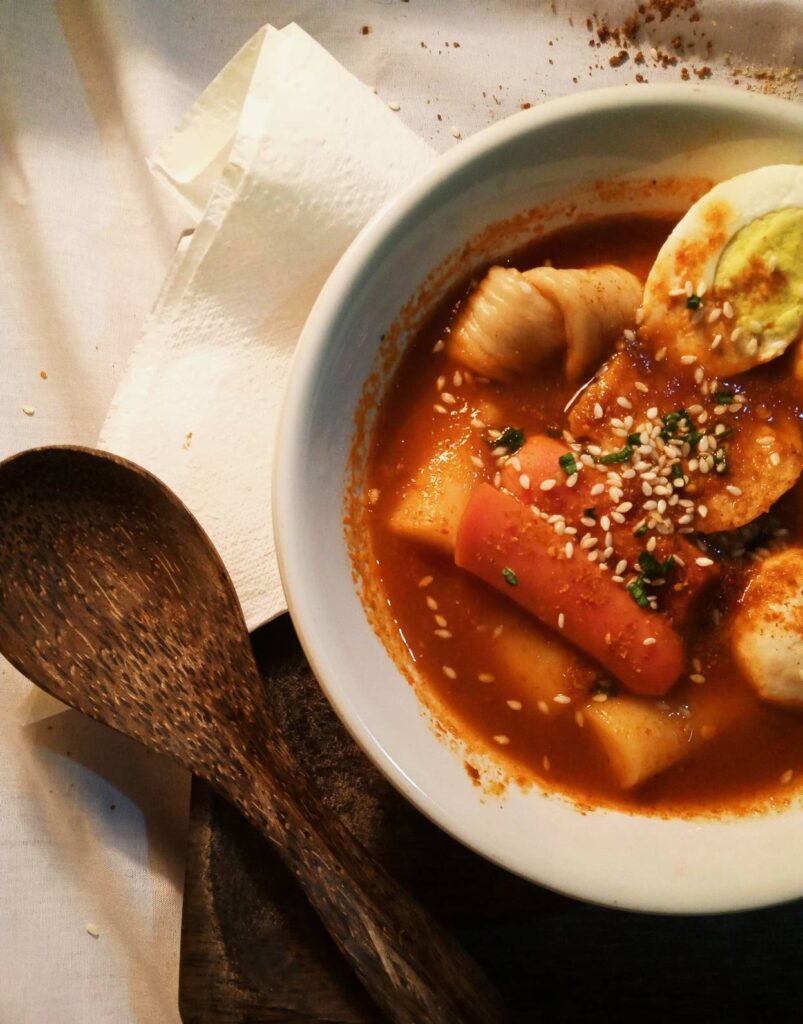
This popular Korean street food is made with chewy rice cakes cooked in a spicy, slightly sweet red sauce. It is often served with fish cakes, boiled eggs or other toppings.
You will frequently see tteokbokki at street food stalls, markets and casual restaurants.
It is also an inexpensive snack when you are exploring a new neighbourhood after work.
Not a fan of spicy food? Ask about the spice level before ordering. Korean food can be considerably spicier than some Western dishes!
4. Korean Fried Chicken
You may think you already know fried chicken, but Korean fried chicken is worth experiencing for yourself.
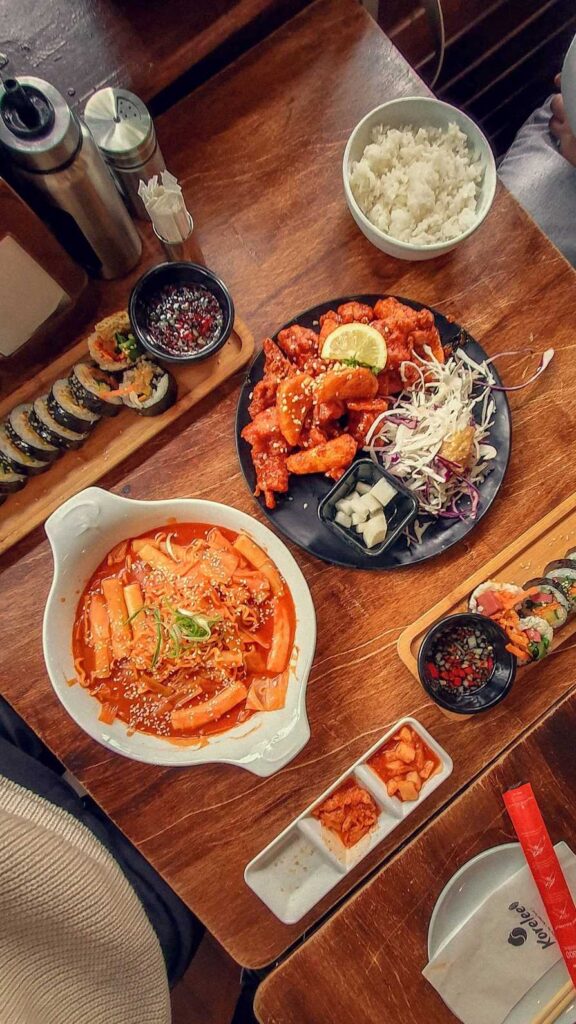
Korean fried chicken is known for its incredibly crispy coating and wide variety of sauces and flavours. Popular options include sweet and spicy, soy garlic and plain crispy chicken.
And yes, ordering fried chicken for delivery is absolutely part of the Korean experience.
South Korea’s delivery culture is famously convenient, so don’t be surprised if your first apartment dinner ends up being chicken delivered straight to your door.
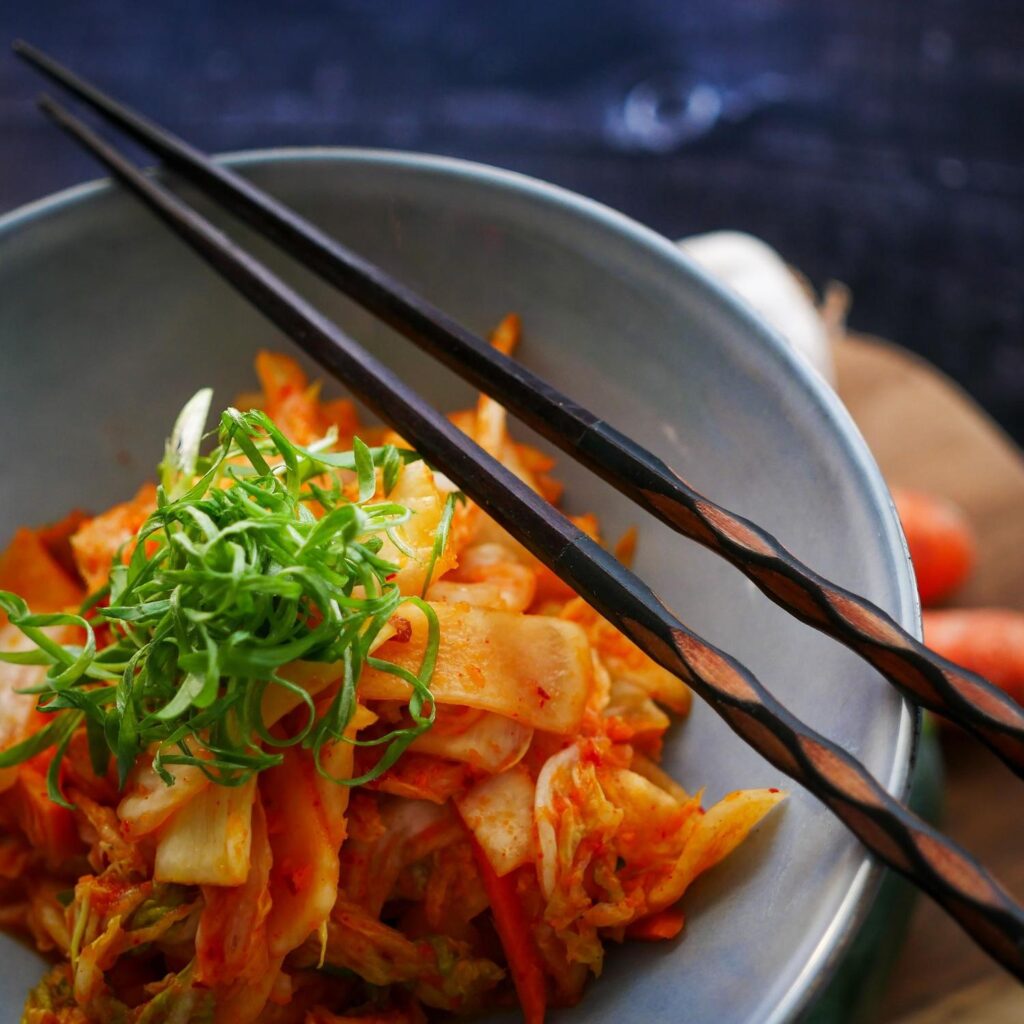
5. Kimchi
You cannot talk about Korean food without talking about kimchi!
Kimchi is traditionally made from fermented vegetables, most commonly napa cabbage and Korean radish, along with seasonings such as chili powder, garlic and ginger.
It is served alongside countless Korean meals and comes in many different varieties.
If you are new to fermented foods, the flavour can take some getting used to. But after living in Korea for a while, you may find yourself craving it!
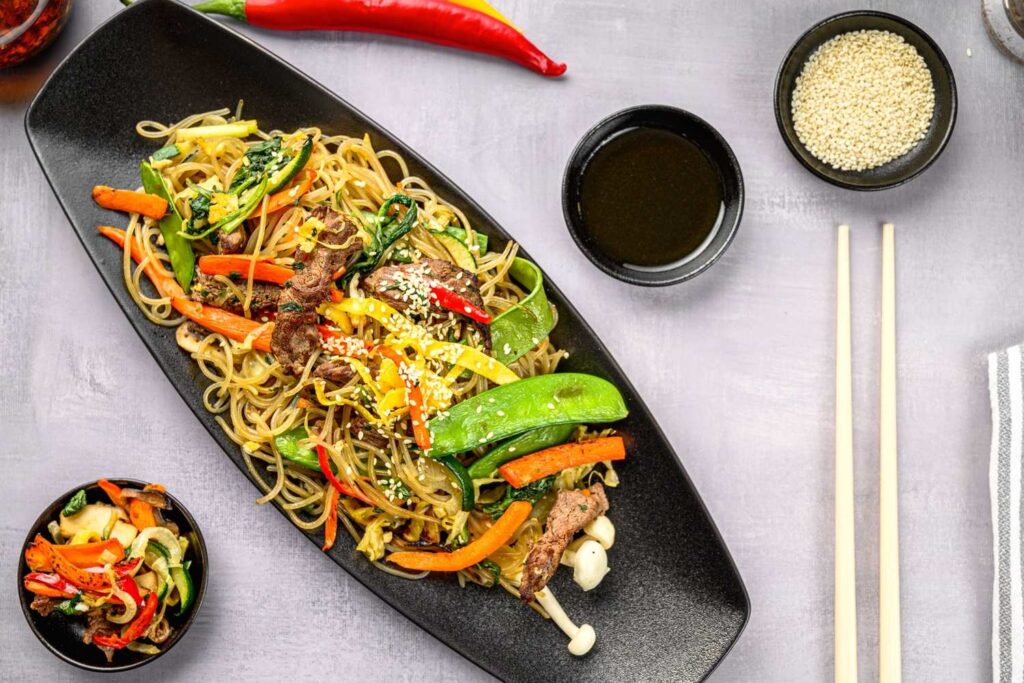
6. Japchae
If you are looking for something that is a little less spicy, give japchae a try.
Japchae is made with chewy glass noodles stir fried with vegetables, meat and a savoury sauce. It is often served as a side dish or as part of a larger meal.
It is a great option for teachers who are still getting used to Korean flavours and want something familiar but different.
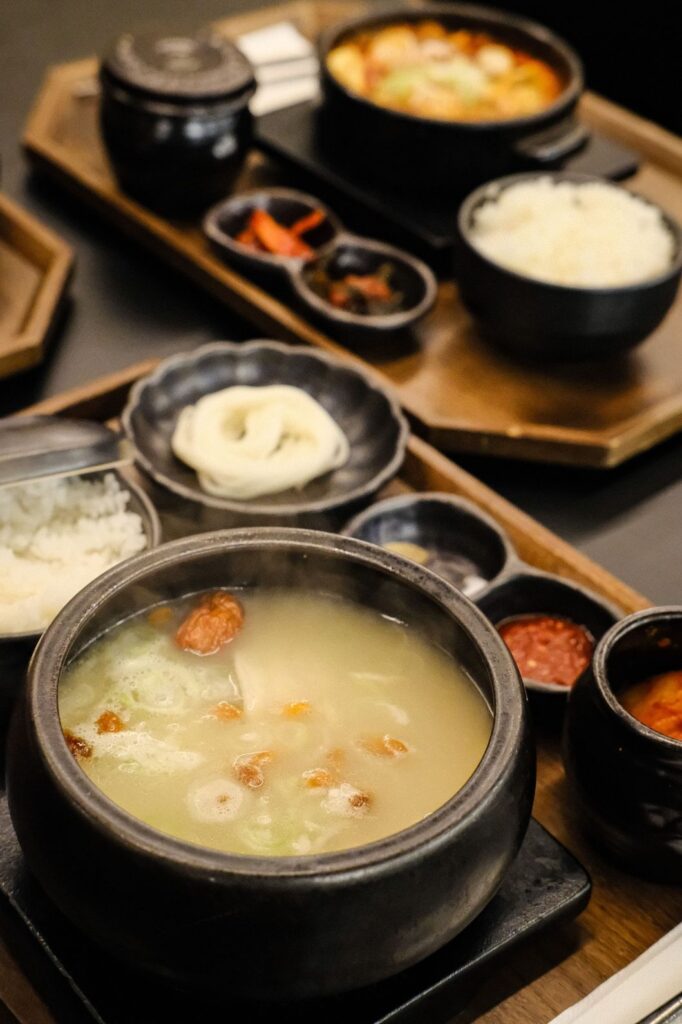
7. Korean Soups and Stews
Korea has an incredible variety of soups and stews, and they are especially comforting during the colder months.
Some popular options include:
- Kimchi jjigae: A spicy kimchi stew often made with pork or tofu
- Doenjang jjigae: A savoury soybean paste stew with vegetables and tofu
- Sundubu jjigae: A spicy soft tofu stew
- Samgyetang: A whole chicken soup traditionally made with ginseng and other ingredients
If you are teaching in Korea during the winter, a hot bowl of jjigae after a long day at school can be exactly what you need.
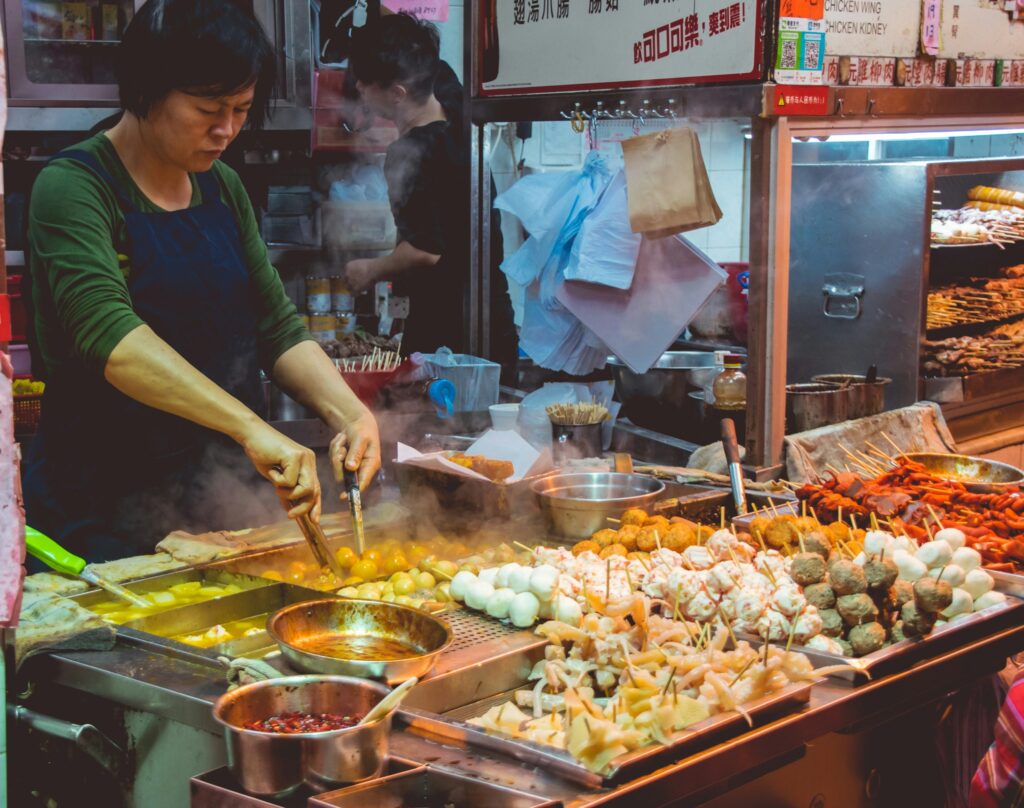
8. Korean Street Food
One of the best ways to explore Korean food is simply to walk around and see what catches your eye.
Street food is popular throughout South Korea, particularly around markets, shopping districts and busy neighbourhoods.
Some foods you may encounter include:
- Tteokbokki
- Hotteok
- Gimbap
- Odeng or eomuk
- Korean corn dogs
- Mandu
- Roasted sweet potatoes
- Grilled meat and seafood
You do not need to know exactly what everything is before trying it. Part of the fun of living abroad is being willing to try something new!
9. Gimbap
Gimbap is another excellent option for a quick and affordable meal.
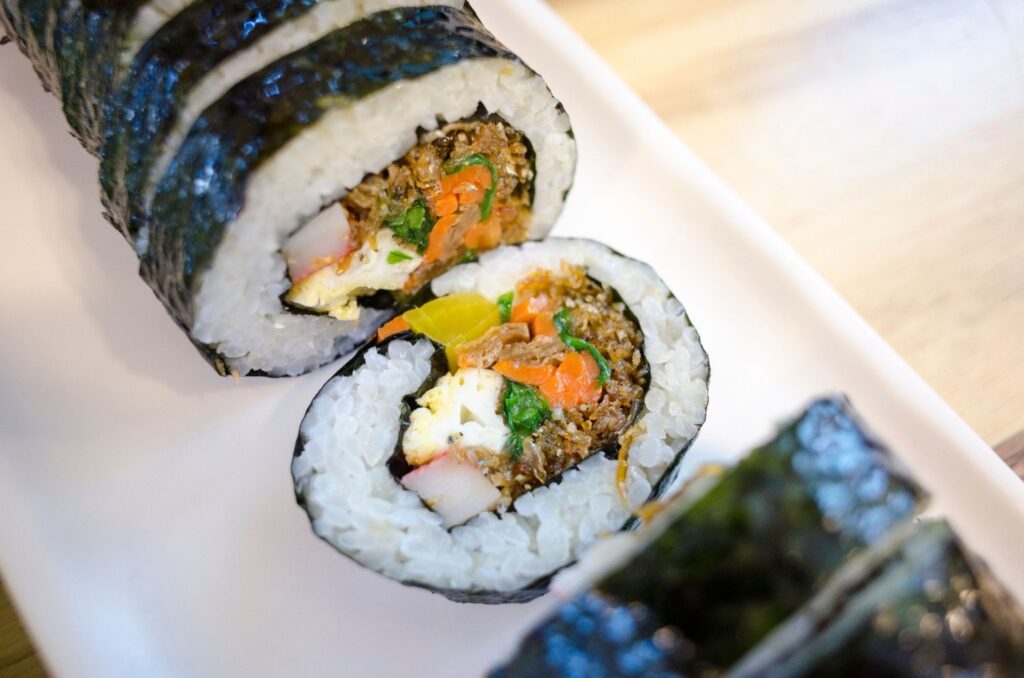
It consists of rice and various fillings rolled in sheets of roasted seaweed and sliced into bite sized pieces. Fillings can include vegetables, egg, meat, tuna and more.
Gimbap is easy to find and makes a convenient lunch before or after work.
It is also a great option when you want something inexpensive while exploring a new city.
10. Vegetarian and Vegan Food in South Korea
If you are a vegetarian or vegan teacher, you might be wondering how easy it is to find food that fits your diet in South Korea.
The good news is that vegetarian and vegan options are becoming increasingly available, particularly in larger cities and areas with established international communities. However, it can take a little more planning than you may be used to at home.
Many traditional Korean dishes contain meat, seafood or fish based ingredients, even when the dish itself may appear vegetarian at first glance. Broths, sauces and side dishes can sometimes contain ingredients such as fish sauce, anchovy or shrimp.
For that reason, it is always a good idea to ask about ingredients if you follow a strict vegetarian or vegan diet.
Vegetarian Options
Vegetarian teachers can often find plenty of vegetable based dishes, rice dishes, noodles and tofu based meals.
Some foods to look for include:
- Vegetable bibimbap: Rice topped with assorted vegetables, although you should check whether the sauce contains animal products
- Vegetable gimbap: Gimbap made with vegetables and other meat free fillings
- Pajeon: Korean savoury pancakes, although some varieties contain seafood
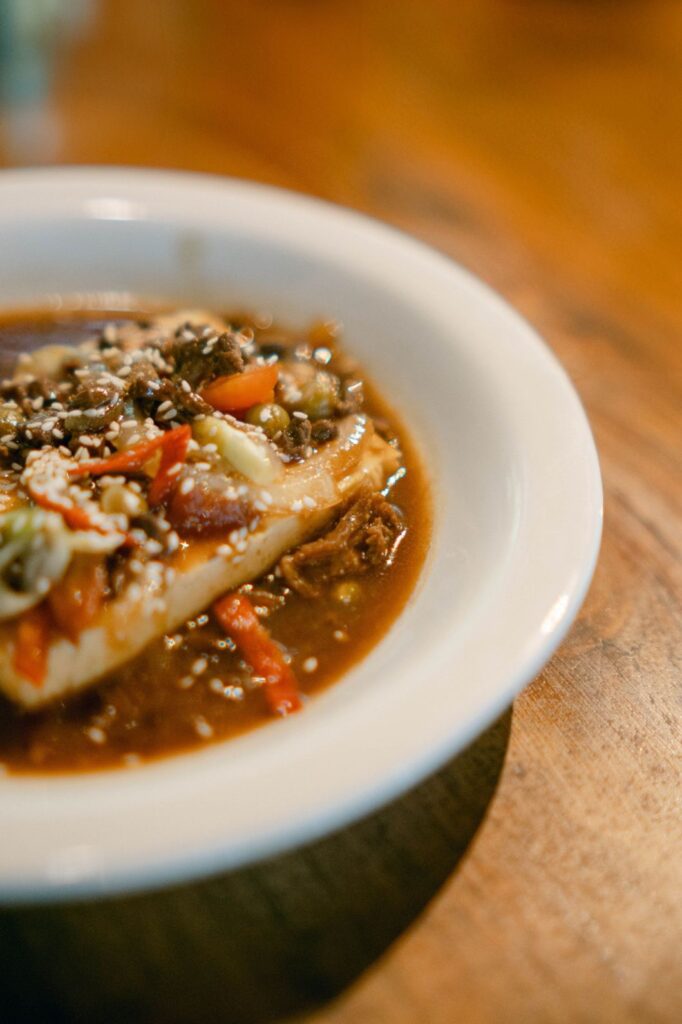
- Tofu dishes: Korea has many different tofu based meals
- Vegetable mandu: Dumplings made with vegetable fillings, although ingredients vary
Banchan can also include plenty of vegetables, but remember that some seemingly vegetarian side dishes may contain fish sauce or other seafood ingredients.
Vegan Options
Vegan teachers may need to be a little more careful, but there are still many options to discover.
Plant based restaurants and vegan friendly cafés have become increasingly popular, especially in larger cities such as Seoul. You can also find vegan versions of familiar Korean dishes.
One of the best strategies is to research restaurants before heading out and keep a Korean translation of your dietary requirements on your phone.
Learning a few key Korean phrases can also make ordering much easier.
Teacher tip: Don’t assume that a dish is vegetarian or vegan just because it contains vegetables. When in doubt, ask about the broth, sauces and seasonings.
For vegetarian and vegan teachers, living in South Korea can require a little extra planning, but it can also be a great opportunity to discover new foods and flavours you may not have encountered before.
11. Korean Desserts and Cafés
Korea’s café culture deserves its own mention.
South Korea has an incredible number of cafés, ranging from tiny neighbourhood coffee shops to elaborate themed cafés. You will find everything from traditional Korean desserts to elaborate cakes, pastries and shaved ice.
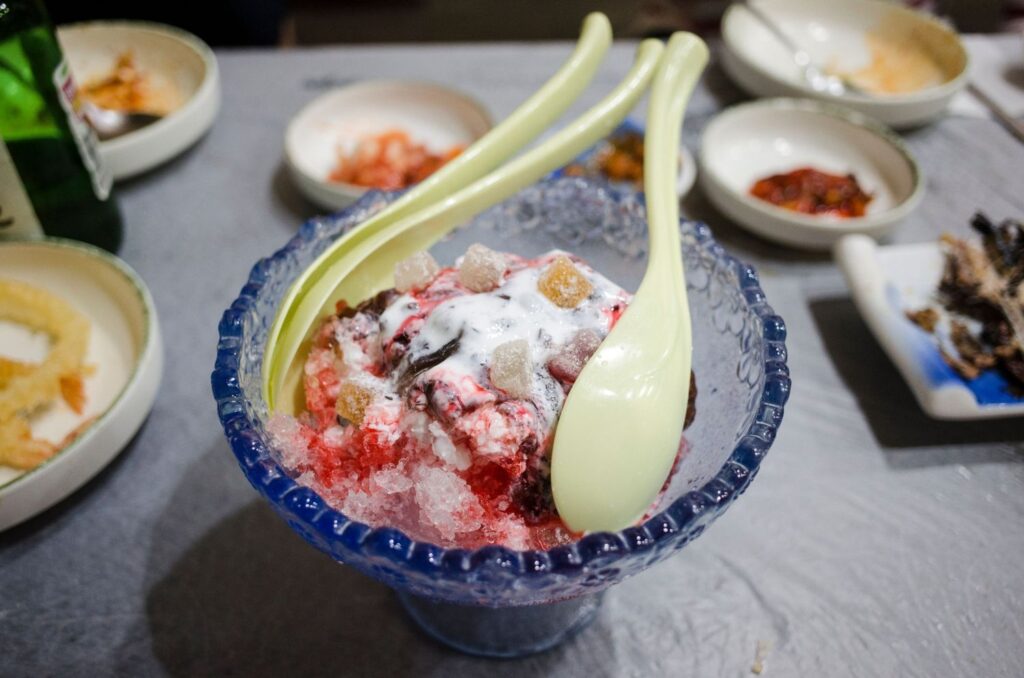
One dessert worth trying is bingsu, a shaved ice dessert that can come topped with fruit, red bean, condensed milk, ice cream or other toppings.
After spending your week teaching English, finding a favourite café near your apartment can become part of your routine.
What About Western Food?
Moving abroad does not mean giving up all of your favourite foods.
South Korea has a huge variety of international restaurants, supermarkets and cafés, particularly in larger cities and areas with large expat communities. You will find pizza, burgers, pasta, Mexican food, Indian food and plenty of other international options.
That said, imported foods can sometimes be more expensive than locally produced Korean food.
For many expat teachers, eating local food regularly is not only a great way to experience Korean culture, but also an easy way to keep everyday spending manageable.
Eating Korean Food as a New Expat Teacher
When you first arrive in South Korea, eating out can feel a little overwhelming.
Menus may be written primarily in Korean, restaurants can have unfamiliar ordering systems and you may not know exactly what you are ordering.
Don’t worry!
You will get the hang of it quickly.
Learning a few basic Korean food words can make your first few weeks much easier. It can also be helpful to keep a translation app on your phone when you are trying a new restaurant.
Most importantly, don’t be afraid to ask questions. Your coworkers, co teachers and other expat teachers will probably have plenty of recommendations for their favourite local restaurants.
Be Adventurous!
One of the best parts of teaching abroad is getting to experience everyday life in a completely different culture.
You do not have to become an expert in Korean cuisine overnight. Start with the foods that look familiar, try something new every once in a while and pay attention to what the locals around you are eating.
You may arrive in South Korea thinking you only like Korean BBQ and leave with an entirely new list of favourite foods.
That’s part of the adventure!
Ready to Teach Abroad?
Footprints Recruiting helps teachers find trusted teaching opportunities around the world. Whether you’re a first-time traveller or an experienced educator, our team can guide you through every step of the process, from finding the right position to preparing for your move abroad.
Explore our teaching opportunities today and take the first step toward your international adventure.
Apply Now
Useful Resources for Teaching Abroad
Have some questions before you apply? We’ve got you covered! You can always contact us with your questions. Additionally, we’ve put together a wealth of resources to help you along every step of the journey. We are always updating our blog with more useful information so please check back often!