
Big City or Small Town? How to Choose Where to Teach Abroad

So, you’ve decided you want to teach abroad. You’re researching countries, looking into teaching opportunities, and imagining what your new life might look like. There’s just one question you might not have considered yet: do you picture yourself living in a busy city or a quieter town?
Where you live can make a big difference to your experience overseas. From weekend adventures and everyday convenience to your cost of living and social life, your location will shape what life outside the classroom looks like.
The good news? There’s no single right answer. Some teachers love the energy of a big city, while others prefer the slower pace of a smaller community. The trick is finding a location that suits your personality, priorities, and the kind of experience you want to have.
Let’s look at what to consider before choosing where to teach abroad.
1. What Does Your Ideal Everyday Life Look Like?
Before comparing destinations, think about what makes you happy at home. Do you enjoy having restaurants, shops, entertainment, and public transportation close by? Or do you prefer quiet neighbourhoods, open spaces, and a more relaxed pace?
Your answers can help you narrow down the type of location that might suit you best.
The appeal of living in a big city
Big cities often offer plenty to explore. You might spend your weekends visiting museums, trying new restaurants, browsing local markets, or meeting friends for coffee. There’s usually something happening, and you may find it easier to discover activities that match your interests.
Cities can also be a great fit if you enjoy variety. You could explore different neighbourhoods, attend cultural events, and experience a wide range of food and entertainment without travelling far.
Of course, city life can be busy. Crowded public transportation, traffic, noise, and a faster pace might take some getting used to, especially if you’re coming from a smaller community.
The appeal of living in a small town
Smaller towns can offer a different kind of experience. Daily life may feel less hectic, familiar local businesses can become regular stops, and you might have more opportunities to get to know your neighbourhood.
Depending on the location, you could also find yourself closer to hiking trails, beaches, mountains, or other outdoor spaces.
That doesn’t mean small towns are boring. You may discover local festivals, traditional markets, community events, and places that visitors to the major cities never get to experience.
The tradeoff is that you might have fewer entertainment options nearby, and some activities or amenities could require a trip to a larger city.
Ask yourself: Would you feel more energized by having endless things to do, or would you appreciate a quieter routine with fewer distractions?
2. Think About Your Cost of Living
Your salary is important, but what matters just as much is how far your money goes once you start paying for everyday expenses.
A major city may have higher housing and entertainment costs than a smaller town, although this varies considerably by country and location. Some smaller communities can also be surprisingly expensive, particularly if housing is limited or transportation is difficult.
Before accepting a position, look beyond the advertised salary and consider your expected monthly expenses.
Think about:
- Rent and whether accommodation is provided
- Utilities, internet, and mobile phone costs
- Groceries and eating out
- Public transportation or other commuting expenses
- Entertainment, hobbies, and weekend activities
- Travel expenses if you want to explore nearby destinations
It’s also worth considering the benefits included with your teaching position. Housing support, transportation assistance, or other benefits can affect how much money you have available each month.
If saving money is one of your main goals, compare the complete employment package with the cost of living in that specific location. A higher salary in an expensive city will not necessarily leave you with more money at the end of the month.
3. Consider Transportation and Getting Around
Getting to work, buying groceries, and meeting friends are all parts of everyday life that are easy to overlook when researching a destination.
In some major cities, public transportation makes it easy to get around without owning a vehicle. Trains, buses, and subway systems can connect residential neighbourhoods with shopping areas, restaurants, and entertainment.
However, a large city doesn’t automatically mean a short commute. Depending on where you live and work, you could still spend a significant amount of time travelling each day.
In smaller towns, getting around may be simpler if your home, school, and essential services are close together. In other places, public transportation may be limited, making a car, bicycle, or other arrangement more important.
Before accepting a position, ask about the school’s location, typical commute times, nearby amenities, and the transportation options available.
It’s also worth checking whether the accommodation offered with a position is close to the school or located elsewhere.
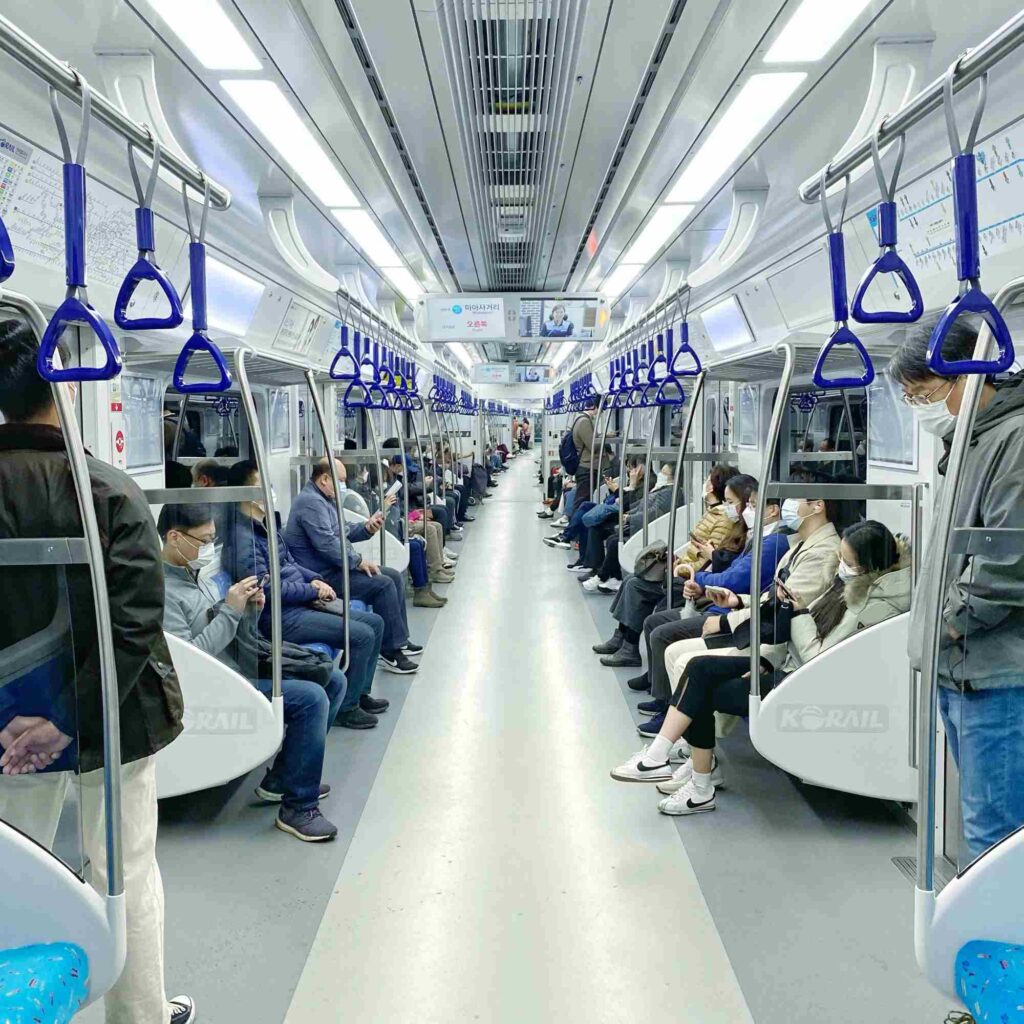
4.What Kind of Social Life Do You Want?
Moving abroad is an opportunity to meet new people, build friendships, and experience a different culture. Your location can influence how you do that.
Meeting people in a big city
Larger cities may offer more opportunities to connect with other international residents, join hobby groups, attend events, and meet people with similar interests.
If you enjoy going out, exploring new places, or meeting people from different backgrounds, city life might suit you well.
At the same time, living somewhere busy doesn’t guarantee you’ll make friends automatically. You’ll still need to put yourself out there and make time to build connections.
Building connections in a smaller community
In a smaller town, you may find yourself visiting the same shops, cafés, and community spaces regularly. Over time, those familiar routines can help you get to know local residents and become part of the community.
You might also have opportunities to experience everyday local life in ways that feel more personal.
However, there may be fewer international residents nearby, depending on the area. If having a community of other foreign teachers is important to you, ask whether other international teachers live and work in the location.
Whichever setting you choose, making an effort to connect with people will help you feel more settled. Joining activities, learning some of the local language, and saying yes to invitations can all make a difference.
5. Think About Your Travel Plans
One of the exciting parts of teaching abroad is having the opportunity to explore a new country and, potentially, its neighbours.
Your location can influence how easy and affordable those adventures are.
Living in a major city may give you access to international airports, train stations, and extensive transportation networks. You could find it easier to plan weekend trips or visit popular attractions.
Smaller towns can offer a different advantage. You might be closer to countryside destinations, coastal areas, hiking trails, or cultural sites that are further from the main tourist routes.
The best option depends on what you want to explore.
If you picture yourself spending weekends visiting museums, trying new restaurants, and discovering different neighbourhoods, a big city might be a natural fit.
If your ideal weekend involves hiking, visiting quieter coastal communities, or discovering places away from the usual tourist trail, a smaller town could be appealing.
Of course, you don’t have to choose one or the other forever. You can live in a smaller community and take trips to nearby cities, or make a major city your home base while exploring the surrounding countryside.
When comparing locations, look at actual travel times, transportation costs, and how easy it is to take trips during your days off.

6. Consider the Teaching Opportunities Available
Lifestyle matters, but it’s also important to consider the teaching position itself.
The number and type of available jobs can vary by location. Larger cities may offer a wider range of schools and employers, while smaller communities may have fewer openings or different types of opportunities.
Neither option is automatically better. What matters is finding a position that fits your qualifications, professional goals, and preferred working environment.
When comparing jobs, consider:
- The school’s teaching environment and expectations
• Your working hours and daily commute
• Salary, benefits, and accommodation arrangements
• The age groups you’ll teach
• Opportunities to develop your teaching skills
• The location and lifestyle outside working hours
You may find a fantastic teaching position in a location you hadn’t originally considered. Keeping an open mind can help you discover opportunities that fit your goals in unexpected ways.
If you’re unsure which destinations or positions you qualify for, a recruiter can help you understand the available options and decide what might be a good match.
7. You Don’t Have to Get Everything Perfect Before You Go
It’s easy to spend weeks comparing destinations and worrying about whether you’re making the right decision. After all, moving abroad is a big step, and you want to make the most of the experience.
But here’s something worth remembering: you don’t need to know exactly what your life will look like before you arrive.
You might discover that you love the energy of city living, even if you’ve always preferred quieter places at home. Or you might find that a smaller community gives you more opportunities to connect with the local culture and enjoy your time outside work.
Your preferences may also change as you gain experience living abroad.
The goal isn’t to choose the perfect location on paper. It’s to find a place that offers a good starting point for the experience you want to have.
Research your options, ask questions about everyday life, and be honest about your priorities. Then give yourself some room to be surprised.
Frequently Asked Questions About Choosing Where to Teach Abroad
Is it cheaper to live in a small town abroad?
It can be, particularly when rent and everyday expenses are lower than in a major city. However, costs vary by country and location. Limited public transportation, fewer affordable housing options, or the need for a car can make some smaller communities more expensive than expected. Compare local expenses and your employment package before deciding.
Is it better to teach English in a big city or a small town?
Neither is automatically better. Big cities may offer more entertainment, public transportation, and opportunities to meet other international residents. Smaller towns may offer a quieter lifestyle, a closer connection to the local community, and easier access to certain outdoor activities. The best choice depends on your preferences, budget, and teaching opportunity.
Can I teach abroad without living in a major city?
Absolutely. Teaching opportunities can be found in smaller cities, towns, and communities, depending on the country and hiring requirements. The number of available positions varies, so it’s worth discussing your preferred locations with a recruiter and remaining open to different possibilities.
Will I have better job opportunities in a big city?
Major cities may have a larger number and wider variety of schools, but that doesn’t mean they always offer the best opportunity for every teacher. Smaller locations may have positions that better match your qualifications, interests, or lifestyle. Compare the actual job offers, responsibilities, benefits, and working conditions rather than choosing based on population alone.
What should I consider before accepting a teaching job abroad?
Look at the full employment package, including salary, housing, working hours, vacation, insurance, and any flight or relocation benefits. Consider the school’s location, your commute, transportation options, local cost of living, and what daily life outside work might look like. Make sure you understand your contract and have had the opportunity to ask questions before accepting an offer.
Can I live in a small town and visit a nearby city on weekends?
Yes, provided transportation links and your work schedule make it practical. Check travel times, ticket prices, and the availability of transport outside peak hours. Some teachers enjoy having a quieter home base while visiting larger cities during their days off.
Ready to Find Your Teaching Abroad Opportunity?
Choosing where to live is an important part of planning your teaching adventure, but you don’t have to figure everything out on your own.
At Footprints Recruiting, we help teachers explore international teaching opportunities and find positions that suit their qualifications and goals. Whether you’re dreaming of a lively city or a quieter community, we’re here to help you understand your options.
Your next adventure could be closer than you think!
Apply Now
Useful Resources for Teaching Abroad
Have some questions before you apply? We’ve got you covered! You can always contact us with your questions. Additionally, we’ve put together a wealth of resources to help you along every step of the journey. We are always updating our blog with more useful information so please check back often!