
Saving Money While Teaching English in Korea: Tips and Tricks
Teaching English in Korea is an exciting opportunity to live abroad, experience a vibrant culture and build meaningful savings if you approach it thoughtfully. Many teachers are surprised by how affordable life can be once they understand the systems, benefits and common money traps.
Whether you are preparing for your first contract or already settled in, these tips will help you stretch your money further and make the most of your time teaching English in Korea!
Why Teaching English in Korea is Ideal for Saving Money
One of the biggest advantages of teaching English in Korea is that many major expenses are covered for you. Most teaching contracts include free housing, flight reimbursement and national health insurance. This means your salary can go directly toward savings, travel or personal goals rather than rent and medical bills.
Compared to other popular destinations for ESL teachers, Korea offers a rare balance of competitive pay and low out of pocket costs, making it one of the best places in the world to save money while teaching English abroad!
Tip 1: Take Full Advantage of Free or Subsidized Housing
Housing is often the largest monthly expense, but teachers in Korea are typically provided with a furnished apartment or a housing allowance. To save money:
- Clarify utilities upfront, as electricity and gas can fluctuate seasonally
- Be mindful of heating and air conditioning usage, especially in winter and summer
- Ask your school what furnishings are included so you avoid buying duplicates
- Buy second hand furniture whenever possible. Ask your school to connect you with the teacher who is leaving the apartment, as many teachers are happy to leave furniture behind for free or sell it at a very low cost.
Living within walking distance of your school can also eliminate transportation costs and save time, which adds up quickly.

Tip 2: Use Public Transportation Instead of Taxis
Korea has one of the most efficient and affordable public transportation systems in the world. Subways and buses are clean, reliable and inexpensive.
To keep costs low:
- Purchase a T money card for discounted fares and easy transfers
- Avoid taxis during peak hours when fares increase
- Take advantage of late night buses instead of taxis when possible
- Buy or participate in a bike share program to get around
Most teachers find they can get anywhere they need without owning a car, which saves thousands each year.
Tip 3: Eat Like a Local to Save More
Eating out in Korea does not have to be expensive, especially if you enjoy Korean food. Local restaurants, street food stalls and university area eateries offer filling meals at very reasonable prices.
Money saving food tips include:
- Choose Korean meals over Western restaurants, which are often pricier
- Shop at local markets instead of imported grocery stores
- Cook simple meals at home using affordable staples like rice, eggs and vegetables
Many teachers find a balance between eating out and cooking at home allows them to enjoy the food culture without overspending.
Tip 4: Understand Your Salary, Taxes and Pension
When teaching English in Korea, it is important to understand where your money goes.
Most teachers pay relatively low income tax, and many are eligible for the national pension scheme. Depending on your nationality, you may be able to receive a lump sum pension refund when you leave Korea, which can amount to several thousand dollars. Be sure to:
- Confirm your tax rate and pension contributions with your employer
- Keep copies of pay stubs and contracts
- Learn whether your country has a pension agreement with Korea
This knowledge helps you plan long term savings more effectively.
Tip 5: Limit Impulse Spending and Convenience Costs
Convenience stores are everywhere in Korea, which is great, but small daily purchases can quietly drain your budget.
To save money:
- Buy snacks and household items in bulk at supermarkets
- Set a weekly spending limit for non essentials
- Be mindful of frequent coffee purchases, as cafes can add up fast
- Frequent dollar stores (Daiso) for inexpensive food items
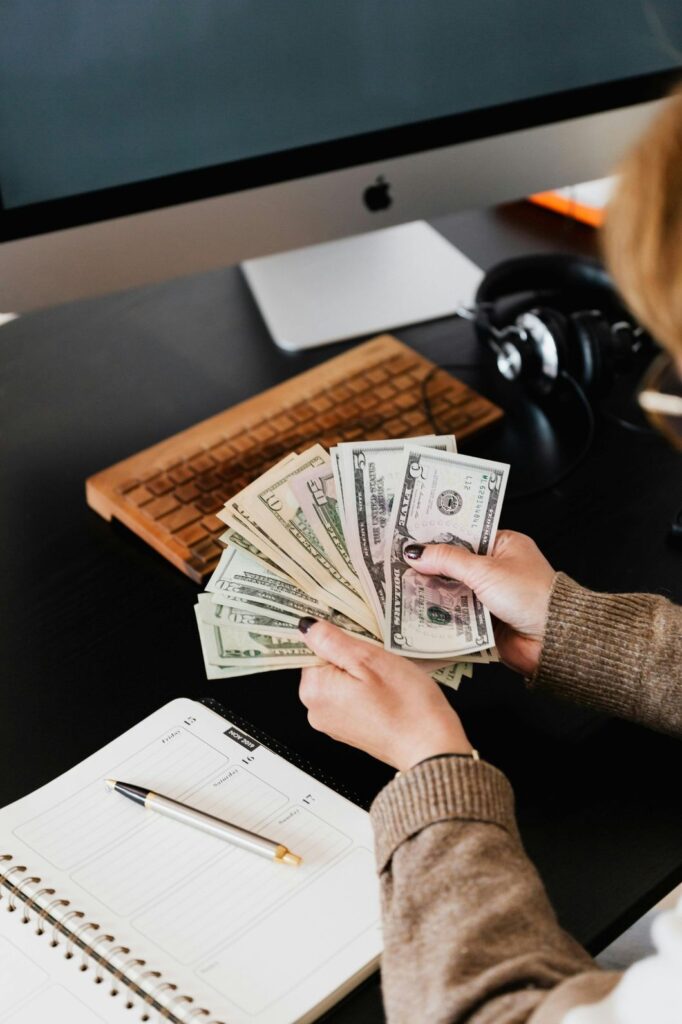
Tracking expenses for the first month or two can be eye opening and help you adjust habits early.
Tip 6: Travel Smart While Teaching English in Korea
Travel is one of the best parts of teaching English in Korea, but it does not have to be expensive.
Budget friendly travel tips include:
- Use trains and intercity buses instead of flights
- Book accommodations early or use guesthouses
- Take advantage of free attractions like hiking trails, temples and festivals
Korea offers endless low cost ways to explore, especially if you travel like a local.
Tip 7: Set Clear Savings Goals
One of the best ways to save money while teaching English in Korea is to have a clear goal. Whether you are paying off student loans, building an emergency fund or saving for future travel, having a purpose makes it easier to say no to unnecessary spending.
Many teachers set up automatic transfers to a savings account as soon as they are paid, treating savings like a non negotiable expense.
Final Thoughts on Saving Money While Teaching English in Korea
Teaching English in Korea offers a unique chance to live comfortably while saving money, especially when compared to many other countries. With free housing, affordable transportation and manageable living costs, it is entirely possible to leave Korea with strong savings and unforgettable experiences.
By understanding your benefits, spending intentionally and embracing local habits, you can make the most of your time teaching English in Korea both personally and financially.
Ready to Begin Your Teaching Adventure?
Apply Now
Useful Resources for Teaching Abroad
We want you to succeed. We want you to have the experience of a lifetime, teaching in places around the world! To help you along your journey, we have curated some helpful resources below: