
Classroom Management Tips for Teaching English in South Korea
Teaching English in South Korea is one of the most popular choices for people who want to build an international career while experiencing a rich and vibrant culture. Whether you join a public school program like EPIK or begin teaching at a private academy (Hagwon), strong classroom management will make your transition smoother and far more enjoyable.
Korean students are respectful and enthusiastic, yet they still need structure, warmth, and engaging lessons. With the right strategies, you can create a welcoming English teaching classroom that supports both learning and behavior. Below are detailed tips designed specifically for new teachers in South Korea.
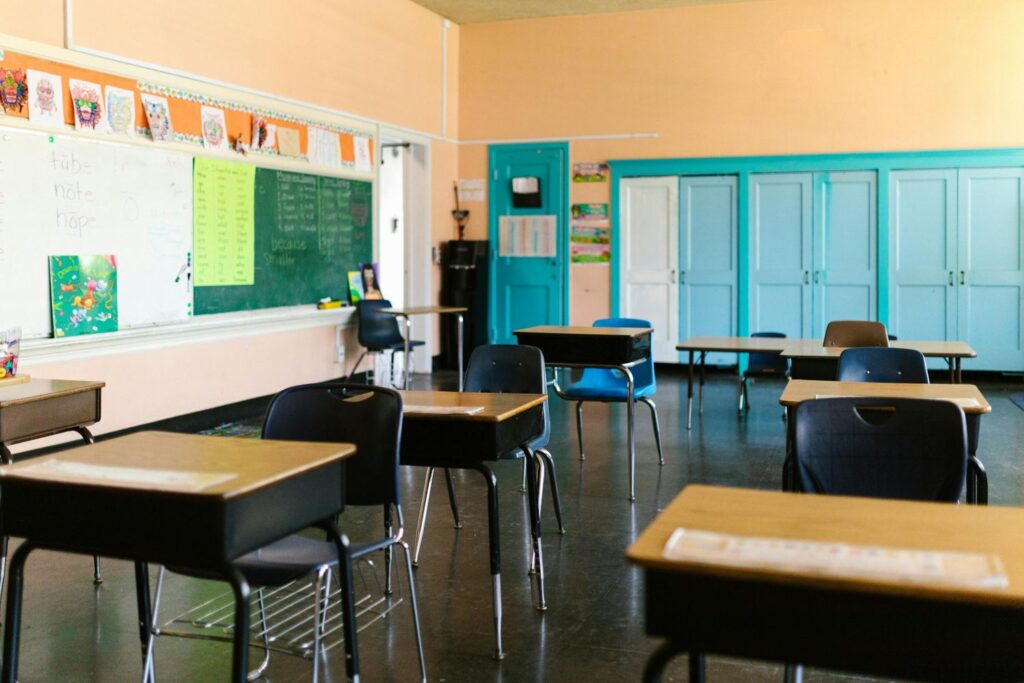
1. Set Clear Expectations From the Very Beginning
Routine is important in Korean schools, and students respond well to clear expectations they can easily follow.
- Present your rules visually
- Keep explanations short
- Reinforce expectations during the first few weeks
Because students have full schedules and varied English levels, clarity helps minimize confusion and prevents behavior issues before they begin.
2. Use Positive Reinforcement to Strengthen Motivation
Korean students often thrive with encouragement and recognition. Positive reinforcement works extremely well in English teaching classrooms. Try:
- Team-based points
- Verbal praise
- Stickers or small rewards
Some teachers also use class-wide goals or fun Friday activities. Variety helps keep students excited without relying on harsh discipline
3. Break Instructions Into Small, Manageable Steps
Long explanations can overwhelm students, even if they seem fluent. A simpler approach works better for English teachers in Korea. You can:
- Show a quick example
- Demonstrate the task
- Have students repeat the steps
Clear modeling prevents misunderstandings and keeps lessons flowing.
4. Keep Lessons Active and Varied
Korean students stay focused when the energy of the room stays high. Switching between different types of activities helps students remain engaged.
Consider rotating between:
- Warm-up games
- Pair speaking tasks
- Listening challenges
- Quick writing or drawing responses
- Short team competitions
A fast pace helps reduce off-task behavior and creates a fun learning environment.
5. Learn Your Students’ Names Quickly
Using names builds respect and trust, which leads to a better managed classroom. It also helps with gentle redirection.
If pronunciation is tricky:
- Ask students to write their names in Hangul and English
- Keep a small desk chart
- Practice a few each night
Students appreciate the effort, and it helps you connect faster.
6. Stay Consistent and Fair with Discipline
Fairness is deeply valued in South Korea. Students expect teachers to treat everyone the same, which means consistency is essential.
Ways to maintain fairness:
- Follow the rules you set
- Apply consequences calmly
- Keep expectations predictable
Students will adjust quickly once they understand that your classroom runs with steady boundaries.
7. Collaborate Closely with Your Co-Teacher or Staff
If you teach in a public school, your Korean co-teacher is your greatest resource. They understand school culture, student behavior norms, and communication expectations.
You can work together by:
- Discussing routines
- Aligning discipline methods
- Planning certain parts of lessons as a team
8. Add Elements of Korean Culture to Your Lessons
Students feel more connected to teachers who show interest in their culture. You do not need to be an expert. Small touches go a long way.
Try including:
- Simple Korean expressions
- Local holidays or traditions
- Light references to food, music, or daily life
This builds rapport, and stronger rapport leads to smoother classroom management.
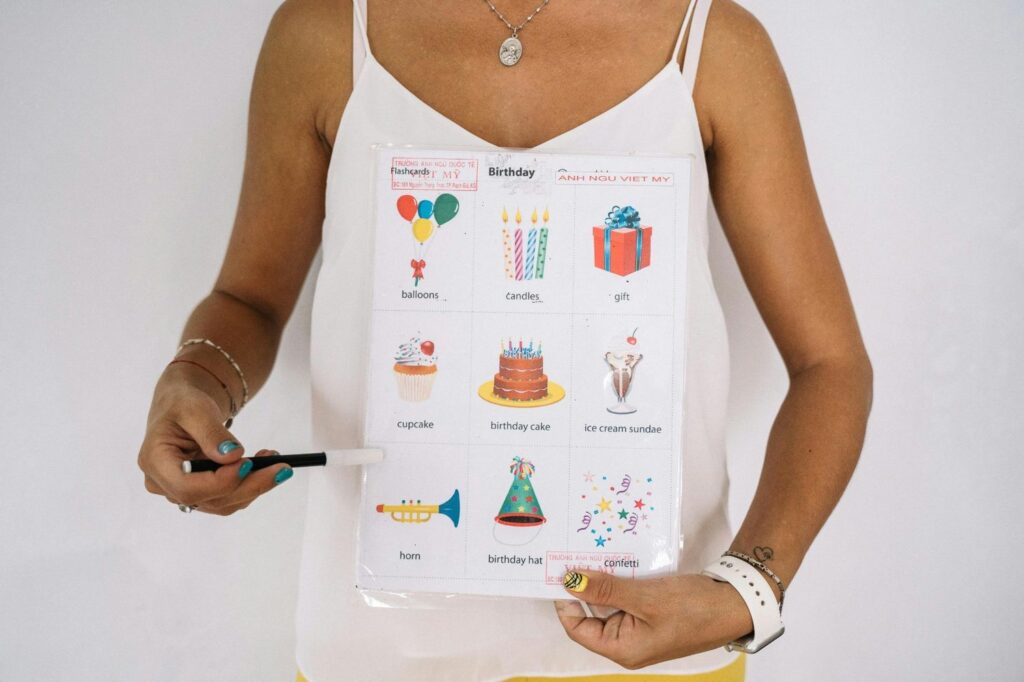
9. Stay Flexible and Calm When Things Shift
Teaching in South Korea sometimes means adapting to last-minute schedule changes or unexpected events. Staying flexible helps reduce stress and keeps your classroom steady even when your day changes. You might experience:
- Surprise assemblies
- Shifts in class time
- Sudden testing days
- New school announcements
A flexible mindset will help you adjust without losing momentum.
10. Focus on Relationships First
When students feel safe, respected, and understood, behavior problems naturally decrease. Building relationships can be as simple as asking questions about their weekend or noticing their efforts during class.
Relationship-building can include:
- Greeting students warmly
- Offering quick encouragement
- Showing genuine interest in their progress
The more connected your students feel, the more willing they are to participate and behave cooperatively.
Final Thoughts
Teaching English in South Korea is a meaningful experience filled with growth, connection, and adventure. With strong classroom management skills, you can create a positive English teaching classroom that supports learning and helps you enjoy your time abroad!
If you are ready to begin your journey teaching in South Korea, Footprints Recruiting is here to guide you every step of the way.
Ready to Begin Your Teaching Adventure?
Apply Now
Useful Resources for Teaching Abroad
We want you to succeed. We want you to have the experience of a lifetime, teaching in places around the world! To help you along your journey, we have curated some helpful resources below: