
Teaching Abroad: Classroom Management Across Language Barriers
One of the biggest concerns new teachers have before teaching abroad is, “How will I manage a classroom if my students don’t fully understand me yet?”
It’s a valid question. Whether you’re teaching young learners in South Korea, adults in Japan, or elementary students in China, there will likely be a period where your students are adjusting to your accent, teaching style, and the fact that you’re speaking primarily in English.
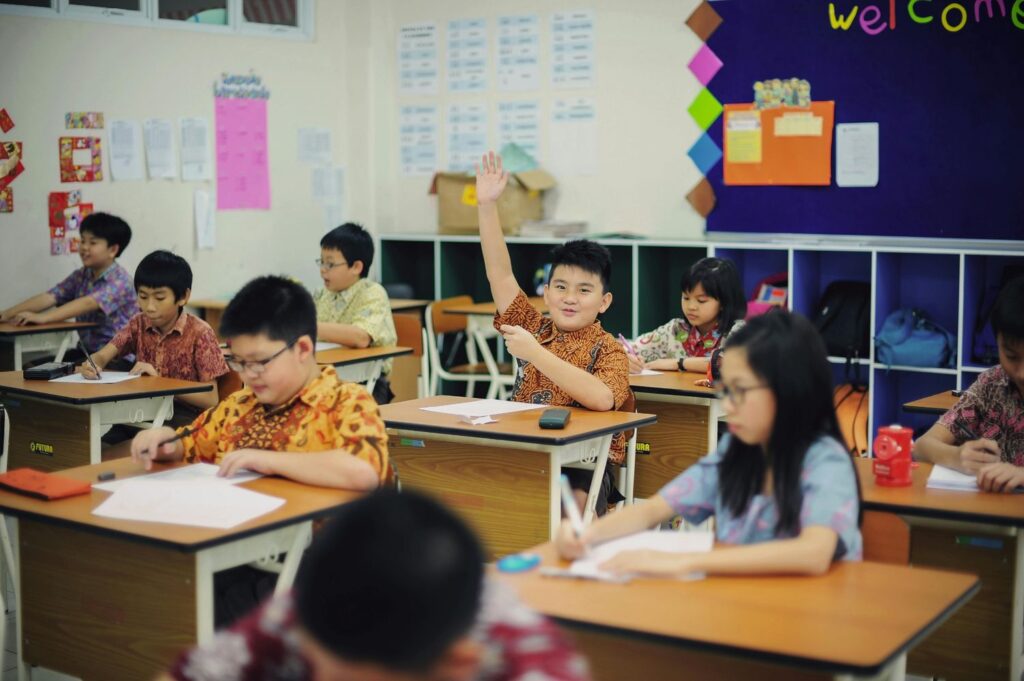
The good news? Effective classroom management doesn’t depend solely on language. Great teachers around the world use consistency, body language, routines, and relationship-building to create positive learning environments, even when verbal communication is limited.
Establish Clear Routines Early
Students thrive when they know what to expect. From your very first lesson, create simple classroom routines and use them consistently.
For example:
- Greet students the same way each class
- Use the same signal to gain attention
- Follow a predictable lesson structure
- End classes with a familiar review activity
When routines become habits, students quickly learn what’s expected without needing lengthy explanations.
Let Your Body Language Do the Talking
Your facial expressions, gestures, and movement around the classroom can communicate far more than words alone.
Point, demonstrate, model activities, and use visual cues whenever possible. A smile can communicate encouragement, while standing near a distracted student can gently redirect their attention without interrupting the lesson.
Many experienced ESL teachers discover that strong nonverbal communication becomes one of their most valuable classroom management tools.
Keep Instructions Simple
When students are still developing their English skills, less is often more.
Instead of giving multiple-step instructions, break tasks into smaller chunks. Use short sentences, speak clearly, and demonstrate the activity whenever possible.
For example, rather than saying:
“Take out your worksheet, work with your partner, complete the first three questions, and then compare your answers.”
Try:
“Worksheet out. Partner. Questions one, two, three. Go.”
Simple language helps students understand faster and reduces confusion.
Use Visual Supports
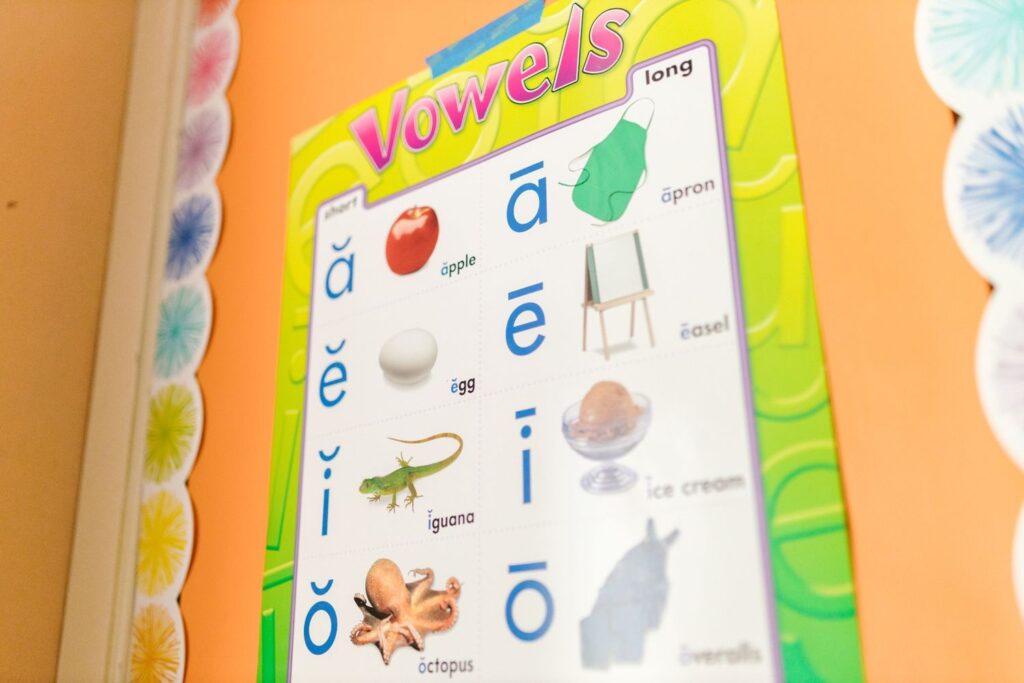
Visual aids can bridge language gaps almost instantly.
Consider using:
- Pictures
- Flashcards
- Slides
- Whiteboard drawings
- Classroom posters
- Written examples
Students often understand visual information much faster than spoken explanations, especially in the early stages of language learning.
Build Relationships First
Students are more likely to cooperate when they feel comfortable with their teacher.
Learn students’ names as quickly as possible. Celebrate their efforts, encourage participation, and show genuine interest in their progress. Most importantly, remember to laugh together!
Even when language barriers exist, students recognize kindness, patience, and enthusiasm. Building trust creates a classroom culture where students want to engage and succeed.
Stay Calm and Consistent
New teachers sometimes feel pressure to control every moment of the classroom. In reality, consistency is far more effective than strictness.
If a rule exists, enforce it consistently. If a routine is introduced, stick with it. Students adapt quickly when expectations remain clear and predictable.
Most importantly, don’t panic if communication isn’t perfect during your first few weeks. Your students are learning how to understand you just as you’re learning how to teach them.
Final Thoughts
Teaching abroad is an exciting and rewarding experience, but it comes with unique challenges. Language barriers can feel intimidating at first, yet they often lead teachers to develop stronger communication and classroom management skills than they ever expected.
Remember, successful classroom management isn’t about speaking more. It’s about creating structure, building relationships, and helping students feel confident and supported.
With patience, consistency, and a willingness to adapt, you’ll be surprised how much can be communicated, even before your students fully understand every word you say.
Excited to Learn More?
If you’re considering teaching overseas, don’t let concerns about classroom management hold you back. With the right support, training, and mindset, you’ll develop the skills and confidence needed to succeed in the classroom and beyond.
At Footprints Recruiting, we’ve helped thousands of teachers begin rewarding careers abroad. From choosing the right destination to preparing for interviews and navigating the relocation process, our team is here to support you every step of the way.
Ready for your next adventure? Apply today and let Footprints Recruiting help you find the teaching opportunity that’s right for you.
Useful Resources for Teaching Abroad
Have some questions before you apply? We’ve got you covered! You can always contact us with your questions. Additionally, we’ve put together a wealth of resources to help you along every step of the journey. We are always updating our blog with more useful information so please check back often!