
Can I Teach Abroad Without Knowing the Language?

One of the most common questions we hear from aspiring teachers is simple, but important: Do I need to speak another language to teach abroad?
The short answer is no, in many cases, you don’t.
However, like most things in international teaching, the full answer depends on where you want to go and the specific requirements to teach abroad for your chosen destination and program.
Let’s break it down so you know exactly what to expect
Do You Need to Speak the Local Language?
In most popular teaching destinations, you are not required to speak the local language to be hired as an English teacher.
In fact, many schools specifically prefer that teachers speak only English in the classroom. This helps create an immersive environment where students are encouraged to think and communicate in English.
Countries where you typically do not need to know the local language include:
- South Korea (see teaching jobs in South Korea)
- Japan (explore teach English in Japan)
- China (view teaching opportunities in China)
- Hong Kong (check out teaching jobs in Hong Kong)
- Taiwan (learn about teaching in Taiwan)
In these countries, teaching roles are designed for native or fluent English speakers, and lesson plans are structured accordingly.
Why Schools Don’t Require It
There are a few key reasons why language skills aren’t always required:
- English immersion is the goal
Students are there to learn English, so using only English in the classroom is often part of the teaching method. - Curriculum support is provided
Many schools provide lesson plans, textbooks, and training, especially for first-time teachers. - You’re teaching English, not translating
Your role is to model natural English communication, not to act as a translator.
When Knowing the Language Can Help
While it’s not required, learning some of the local language can make your experience much smoother and more enjoyable.
It can help with:
- Daily life (ordering food, transportation, shopping)
- Building relationships with locals and coworkers
- Managing classrooms, especially with beginner-level students
- Feeling more confident and independent in a new environment
Even learning basic phrases goes a long way and is always appreciated.

When Knowing the Language Can Help
While it’s not required, learning some of the local language can make your experience much smoother and more enjoyable.
It can help with:
- Daily life (ordering food, transportation, shopping)
- Building relationships with locals and coworkers
- Managing classrooms, especially with beginner-level students
- Feeling more confident and independent in a new environment
Even learning basic phrases goes a long way and is always appreciated.
Best Countries to Teach Abroad Without Speaking the Language
If your goal is to teach abroad without learning another language first, some regions are especially beginner-friendly.
Countries across Asia, like South Korea, Japan, China, Hong Kong, and Taiwan, are known for structured programs, strong support systems, and high demand for English teachers.
These destinations often provide:
- Training and onboarding
- Pre-set curriculum
- Support with housing and settling in
This makes them ideal for first-time teachers navigating both a new job and a new culture.
Are There Countries Where Language Skills Matter More?
Yes, there are some regions where knowing the local language can be an advantage, or occasionally a requirement.
For example:
- In parts of Europe, schools may prefer teachers who speak the local language, especially for younger learners
- In Latin America, Spanish or Portuguese can be helpful for day-to-day life and communication
- In smaller towns or rural placements, fewer people may speak English
That said, many teachers still succeed in these regions with little to no prior language knowledge.
What About Classroom Challenges?
It’s completely normal to wonder how you’ll manage a classroom if your students don’t speak much English.
The good news is that teaching methods are designed with this in mind.
You’ll rely on:
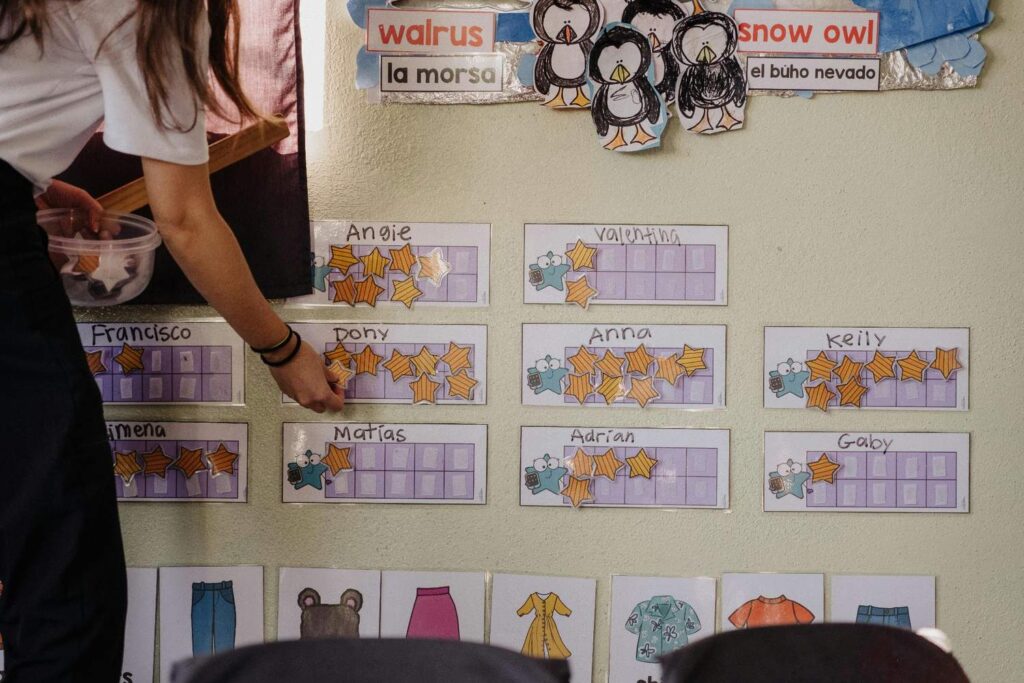
- Visual aids and gestures
- Demonstration and repetition
- Simple, clear instructions
- Interactive activities and games
- Co-teacher in younger aged classrooms (school specific)
These techniques are part of standard ESL training, so you won’t be expected to figure it out on your own.
Tips for Teaching Abroad Without Knowing the Language
If you’re planning to teach abroad without prior language skills, here are a few practical tips:
- Learn basic phrases before you go (greetings, numbers, directions)
- Use translation apps when needed
- Be patient with yourself and your students
- Embrace the learning curve, it’s part of the experience
- Stay open and curious about the local culture
- Find an expat community to lean on
If you’re new to teaching internationally, you might also find it helpful to read What It’s Really Like to Teach English Abroad: Pros, Cons and Honest Advice.

Final Thoughts
You don’t need to be bilingual to teach abroad, and for many roles, it’s not expected at all.
What matters most is your ability to communicate clearly, adapt to new environments and support your students’ learning.
If you’re excited about teaching abroad but worried about the language barrier, don’t let that hold you back. With the right support and mindset, it’s absolutely something you can do!
Apply Now
Useful Resources for Teaching Abroad
Have some questions before you apply? We’ve got you covered! You can always contact us with your questions. Additionally, we’ve put together a wealth of resources to help you along every step of the journey. We are always updating our blog with more useful information so please check back often!